
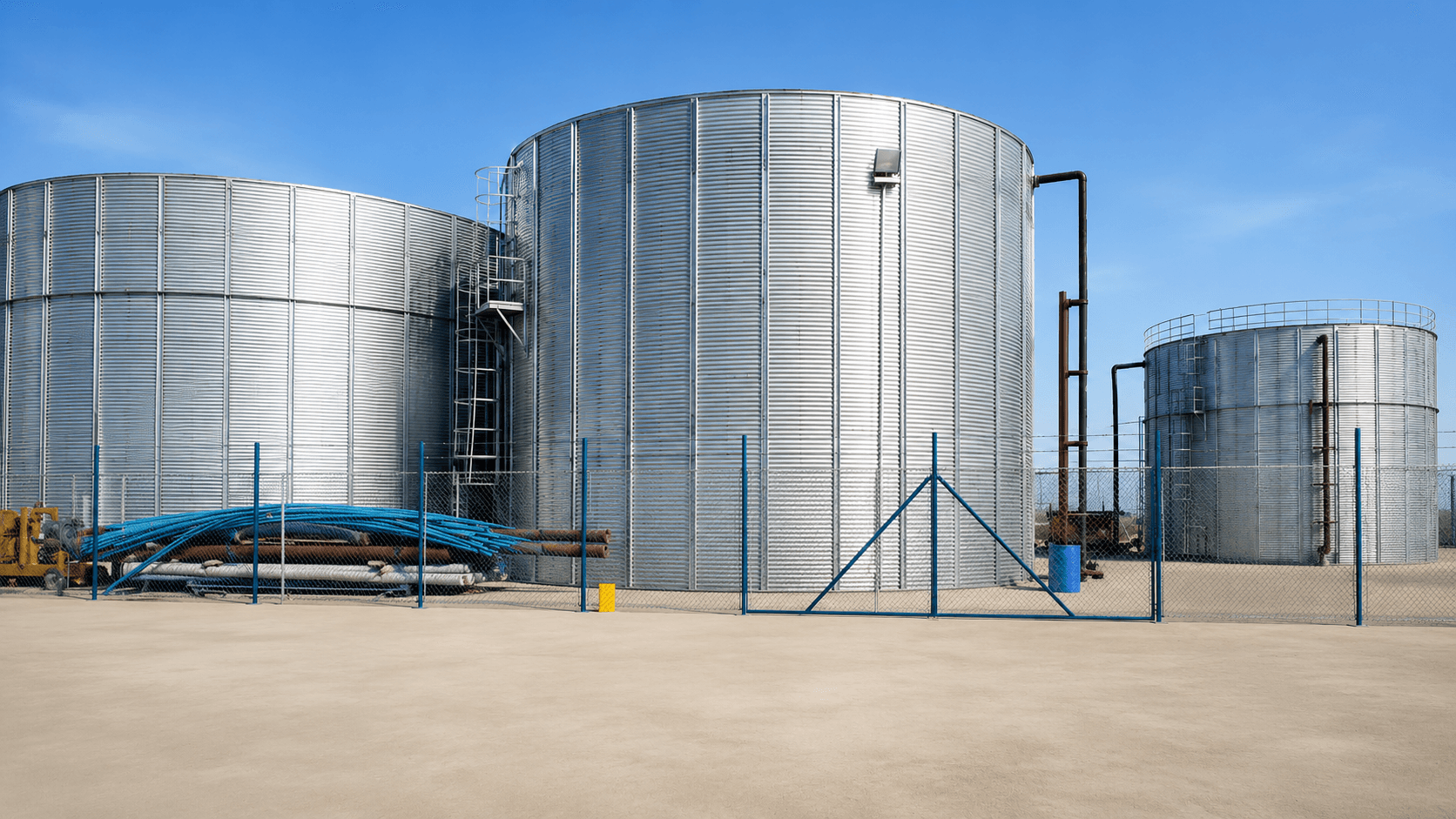
The bolted tank that outlasts carbon steel by 20 years.
A 55% aluminium, 43.5% zinc barrier coating that self-heals at cuts and performs well in humid conditions. Modular panels mean we can drop a 50 to 5000 cubic metre tank on your site without on-location welding, with a liner included as standard.
Carbon steel corrodes. Stainless steel costs more. Zinc aluminium sits between the two.
Bare carbon steel in humid conditions reaches end-of-life in eight to twelve years. Even with paint and recoat cycles, you are looking at two full replacements over a twenty-year horizon, plus the downtime each one costs.
Stainless will outlast that timeline, but at three to four times the capital cost per cubic metre once you cross 200 cubic metres of capacity.
Zinc aluminium sits in the middle. The 55% aluminium, 43.5% zinc barrier coating is a self-healing system: at any cut or scratch, the zinc sacrificially protects the steel underneath. Service life in unsheltered, humid conditions runs to twenty years and beyond, at a capital cost competitive with carbon steel above ~200 cubic metres.
Because the tanks are bolted from pre-coated panels, installation is faster than welded-steel equivalents and doesn't require certified site welding. Every tank is supplied with a liner included as standard, matched to your water duty.
55% Al · 43.5% Zn · self-healing at every cut
The numbers that matter on procurement.
- Panel material
- Hot-dip zinc-aluminium steel (55% Al, 43.5% Zn, 1.5% Si)
- Coating mass
- 150 to 200g/m²
- Capacity range
- 50 to 5000m³
- Diameter range
- 3 to 30m
- Panel assembly
- Bolted with EPDM gaskets, internal sealant on every seam
- Liner
- Included as standard — EPDM food-grade, or PVC for chemical-resistant duty
- Roof options
- Aluminium dome, conical fixed roof, or open-top
- Service life, humid conditions
- 20+years
- Installation footprint
- Lower than welded-steel equivalent; modular delivery
- Lead time
- 6 to 10 weeks ex-works, plus on-site assembly
The lifecycle math, in one table.
Initial cost is rarely the right way to spec a tank. This table sets out the numbers we use to compare options over the full service life, not just at purchase.
- Initial cost (per m³)
- Similar to carbon steel for ≥ 200 m³, higher for small tanks
- Corrosion resistance
- Excellent in humid conditions; barrier coating self-heals at cuts
- Service life (untreated)
- 20+ years vs 8 to 12 for carbon steel
- Replacement cycles, 20 yr horizon
- 1 vs 2
- Downtime saved, 20 yr horizon
- ~10 weeks of avoided reinstall labour
- Repaintable
- Not required; carbon steel needs recoat every 3 to 5 years
One install, zero recoats, zero replacement downtime over a twenty-year horizon.
Versus 8 to 12 years for untreated carbon steel.
Bolted panels, 3 to 30 m diameter, no site welding.
Reinstall labour carbon steel costs you; zinc aluminium doesn’t.
Material · barrier coating behaviour
“The 55% aluminium, 43.5% zinc barrier coating is a self-healing system: at any cut or scratch, the zinc sacrificially protects the steel underneath.”
What buyers ask before specifying zinc aluminium.
How long does a zinc aluminium tank actually last?
How does zinc aluminium compare to carbon steel over 20 years?
How long does on-site assembly take?
Other tank materials, and where they fit.
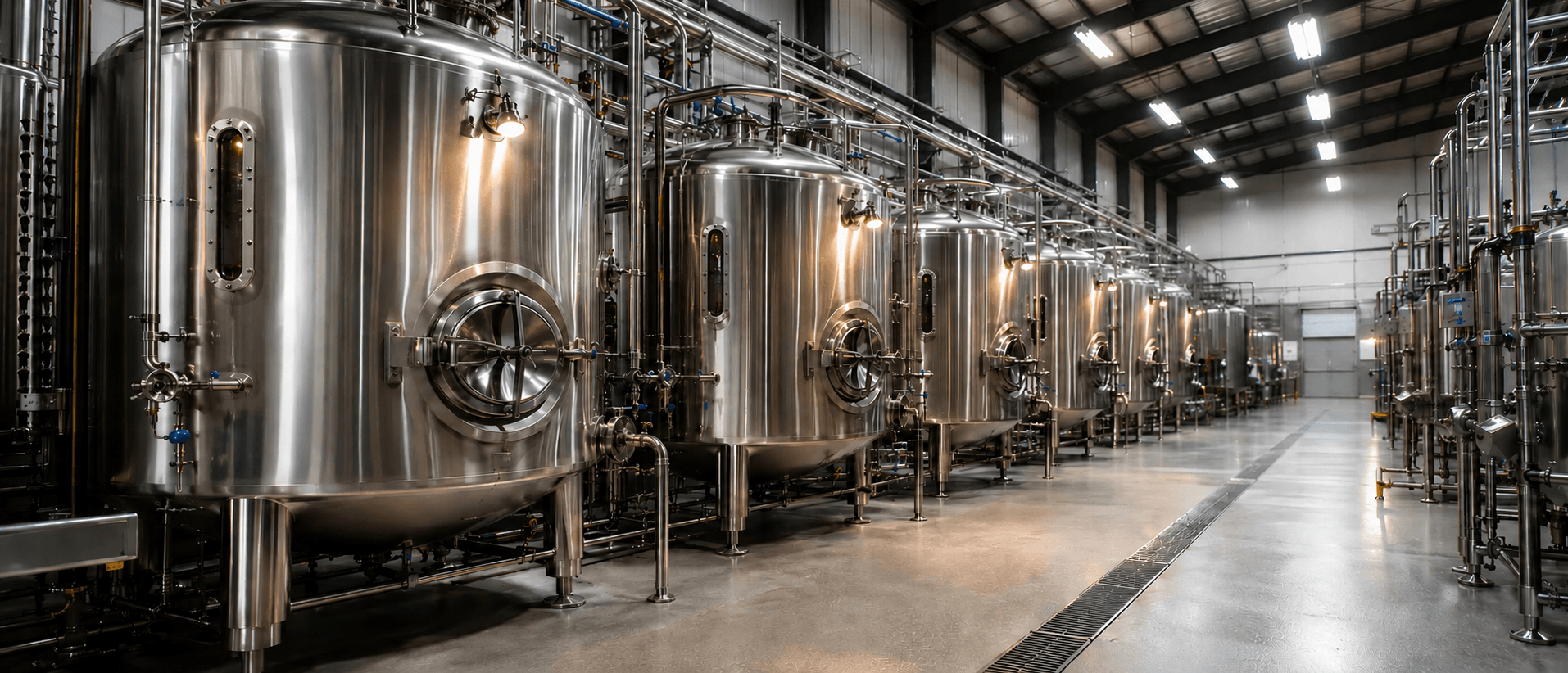
Stainless steel tanks
304 and 316L for food, dairy, and chemical-resistant duty where corrosion matters more than initial cost.
Explore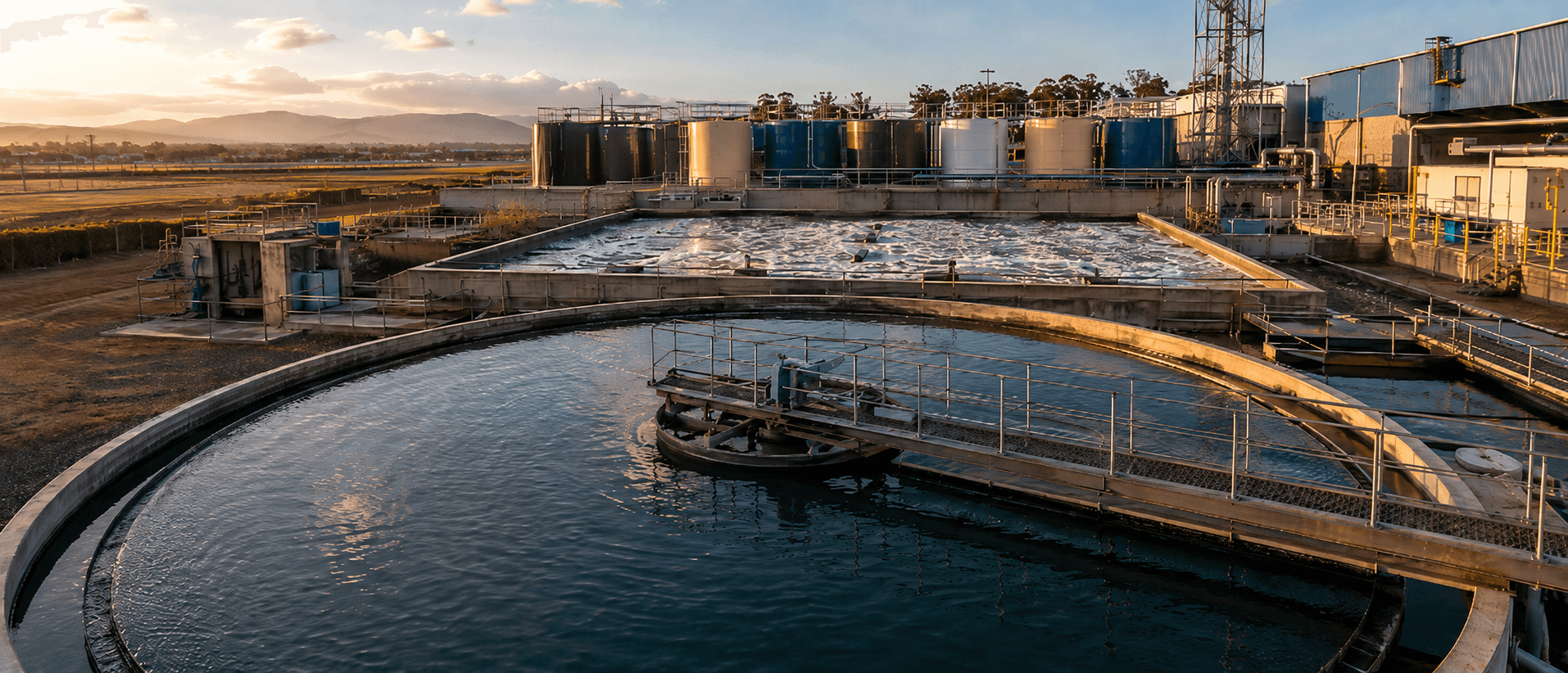
ETP & water treatment
Where zinc aluminium equalisation tanks earn their lifecycle math against regulator inspection cycles.
Explore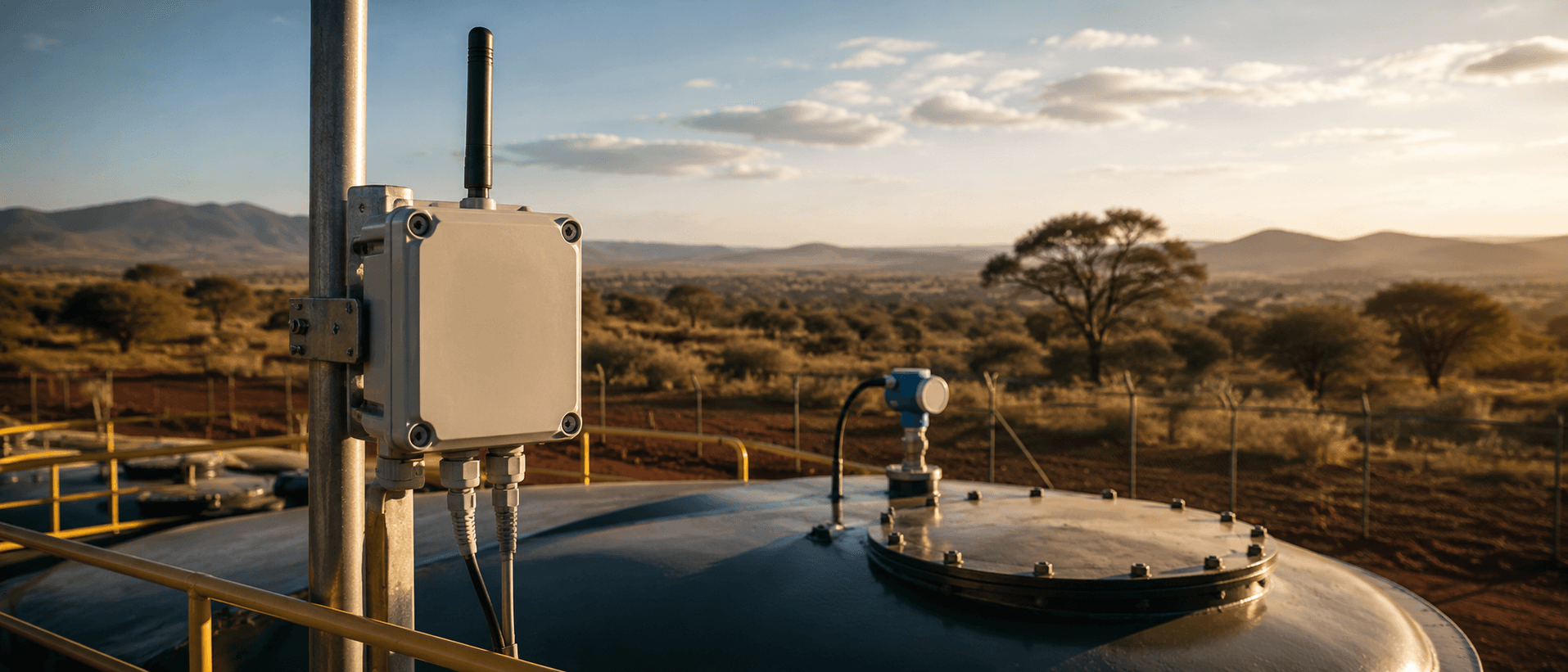
Cloud-ready monitoring
Every zinc aluminium tank we install can be connected to a remote-monitoring app, personalized to your site. NB-IoT for unattended water sites.
Explore